 how-to
How to Choose an Athletic Training Center That Gets Results
Last Updated: November 3, 2026
Quick Summary
Choose an athletic training center by confirming credentialed staff, a real assessment before any programming, and transparent pricing terms. The best centers combine sports performance training, injury rehabilitation, and movement assessment under one roof, so movement flaws and injury risks are caught together.
- Ask whether staff hold licenses or certifications and whether a written emergency action plan is on site.
- An initial assessment should cover health history, goal setting, and testing before any package is sold.
- Ask for the full fee schedule in writing, including package expiration and cancellation notice terms.
- Youth programs should emphasize landing mechanics, core control, and gradual load increases during growth spurts.
- Centers should re-test the same measures at set intervals and share results with you.
Table of Contents
- What an Athletic Training Center Actually Does
- Facility, Technology, and the Training Environment
- Youth Sports Performance Training: What Parents Should Ask
- How to Evaluate Coach Qualifications and Safety Practices
- What to Expect at an Initial Assessment
- Sports Performance Training Cost: What You Pay For and Why
- How to Measure Training Progress Beyond the Scoreboard
- Book a Consultation and See the Facility for Yourself
- Frequently Asked Questions
What an Athletic Training Center Actually Does
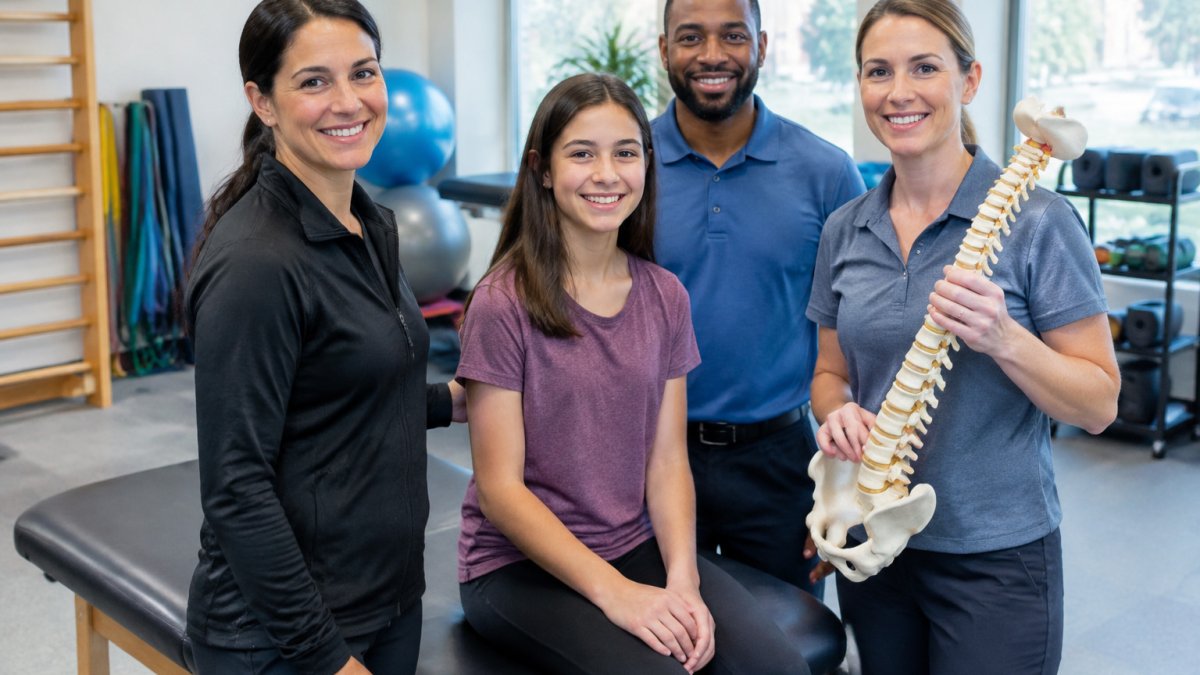
An athletic training center is a facility where licensed professionals and certified coaches assess how an athlete moves, then build a training or rehabilitation plan around what they find. Our team includes licensed physical therapists, speech and language pathologists, and massage therapists who share one goal, helping people move well for the long run. The best centers combine three services under one roof: sports performance training, injury rehabilitation, and movement assessment. That combination matters because a training plan built without an assessment is a guess.
The Difference Between Athletic Training and Sports Performance Training
Athletic training is the evaluation, treatment, and prevention of injuries, typically delivered by licensed clinicians. Sports performance training is the coaching side: building strength, speed, and power to raise output. In practice, the two overlap constantly. A young athlete with a nagging knee issue needs the clinical side first; a healthy athlete chasing a faster sprint needs the performance side. Centers that separate the two often miss the connection between a movement flaw and an injury risk.
Facility, Technology, and the Training Environment
Facility size tells you less than equipment quality and scheduling flexibility. A large building with crowded classes can serve an athlete worse than a smaller space with individualized attention. What to look for:
- Assessment technology such as body composition scanning and 3D movement analysis, which gives coaches objective baselines
- Space per athlete during sessions, so no one trains unsupervised
- Scheduling options that fit school and work commitments
- Clean, well-maintained equipment that signals how seriously the center treats safety
ProFormance Sports uses InBody and Fit 3D scans, and offers flexible scheduling options. Ask any center how often they recalibrate equipment and how many athletes share a coach per session. The answers separate serious facilities from storefronts.
Youth Sports Performance Training: What Parents Should Ask
Youth sports performance training should prioritize movement quality and injury prevention over max lifts and fast times. Before enrolling a child, ask four questions: Who supervises the sessions? What certifications do the coaches hold? How is the program adjusted for growth spurts? What happens if my child gets hurt? A center that answers all four clearly is worth a second visit. One that dodges the injury question is not. Parents weighing whether speed and agility work is worthwhile can read our breakdown of whether speed and agility training is worth it for youth athletes before committing.
Athletic Performance Training for Teens: Age-Appropriate Programming
Teen athletes can handle structured strength work, but the program should change as they grow. During growth spurts, coordination temporarily lags behind limb length, which raises injury risk. Good teen programming emphasizes landing mechanics, core control, and gradual load increases. Watch out for programs that test maximum lifts on young athletes without a movement screen first; that order is backwards.
Strength and Conditioning for Young Athletes Without Overloading Them
Strength and conditioning for young athletes works best with light loads, high movement variety, and plenty of recovery. Overloading shows up as persistent soreness, sleep problems, or declining performance, not just pain. Coaches should track training volume and adjust weekly. For concrete rules parents and coaches can apply, see our guide to strength training rules for young athletes.
How to Evaluate Coach Qualifications and Safety Practices
Coach credentials matter more than marketing language. Ask directly whether staff hold licenses or certifications, whether the center keeps emergency action plans on site, and who responds when an athlete is injured mid-session. A multidisciplinary team, such as physical therapists working alongside performance coaches, means injuries get assessed on site rather than referred out days later. ProFormance Sports staffs licensed physical therapists. Ask any center to confirm its staff's licensure and training. The American Physical Therapy Association publishes guidance on what licensure means, and the National Strength and Conditioning Association maintains its own coach certification standards, both useful references when you check a facility's claims.
| What to Check | Why It Matters | Red Flag |
|---|---|---|
| Staff licensure and certifications | Confirms training and accountability | Vague answers about credentials |
| Emergency action plan | Determines injury response speed | No written plan on site |
| Coach-to-athlete ratio | Affects supervision quality | One coach, large group |
| Assessment before programming | Prevents training on unknown flaws | Programs start without a screen |
What to Expect at an Initial Assessment
An initial assessment generally follows a predictable sequence. Knowing the steps in advance tells you whether a center is doing a real assessment or a sales meeting with a treadmill.
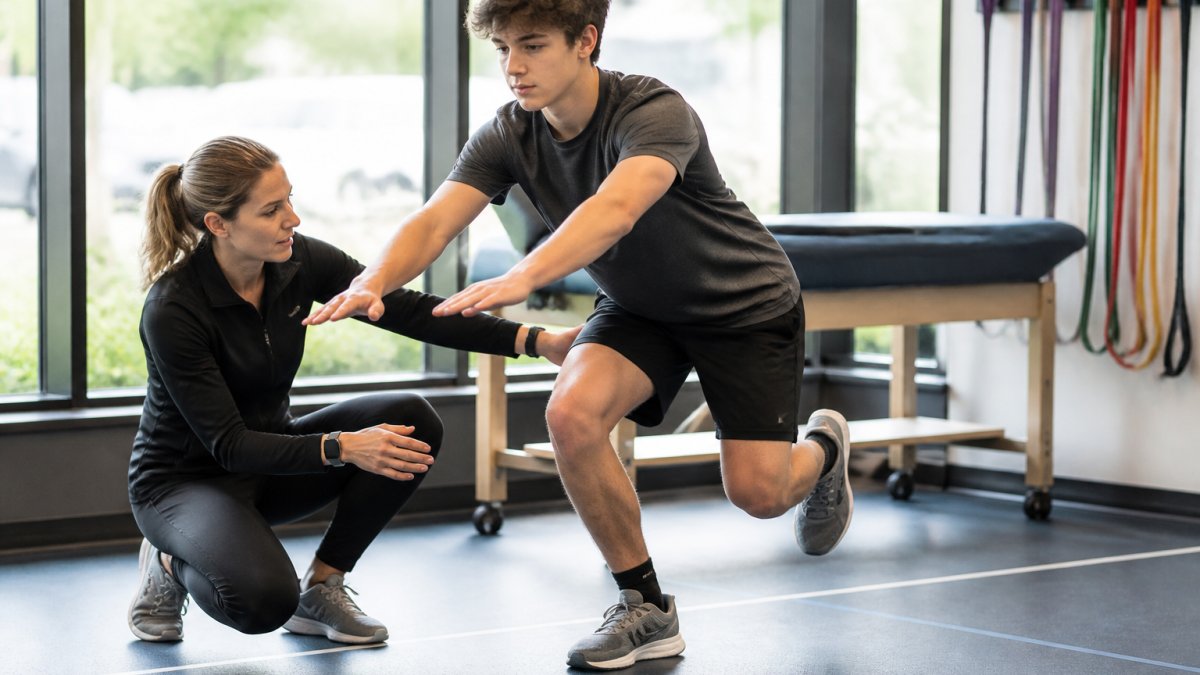
1. Health history and intake. You will fill out or discuss prior injuries, surgeries, current pain, training history, and goals. Bring any prior imaging, therapy notes, or a list of medications.
4. Goal setting. A good clinician asks what you are training for and when, then works backward from that date. Goals should be specific enough to test: a sprint time, a jump height, a return-to-sport milestone, or a pain-free range of motion.
Watch out: if a center skips the assessment and sells you a package on the first visit, that is your signal to keep looking. Persistent pain, swelling, or numbness warrants a physician visit before training resumes. The American Physical Therapy Association publishes guidance on what licensure means, which is useful context when you ask who is conducting your assessment.
Sports Performance Training Cost: What You Pay For and Why
Sports performance training cost depends on session format, coach credentials, and whether clinical services are bundled in. Pricing models vary across providers, and knowing which model you are being quoted matters more than the headline number:
- Per-session pricing. You pay for each session individually. The most flexible model, and usually the highest per-session rate.
- Package pricing. A block of sessions, often 8, 12, or 24, sold at a discount to the per-session rate. Packages frequently carry an expiration date.
- Monthly membership. A recurring fee for a set number of sessions or unlimited group access. Best value for athletes training year-round, but the hardest to exit.
- Bundled clinical and performance pricing. Assessment, rehabilitation, and performance coaching billed together. This is where a multidisciplinary center can save you money, because you are not paying two providers for overlapping work.
Ask each center for its full fee schedule in writing before you commit. The document should spell out fees, package terms, and cancellation terms.
Watch out for contracts that auto-renew without a written notice window. Ask how much notice you must give to stop a recurring membership, whether unused sessions roll over, and whether the package expires. Get the answers in writing.
Pricing depends on the services and schedule you choose, so visit the ProFormance Sports website or contact us for current rates and a clear breakdown before you commit. Bring this checklist to any center you compare:
| Question to Ask | Why It Matters |
|---|---|
| Is the assessment fee separate or credited? | Changes your true first-month cost |
| Do packages expire? | Unused sessions can be lost money |
| What is the cancellation notice period? | Determines how easily you can leave |
| Are clinical and performance services billed together? | Bundling can reduce duplicate charges |
| Is there a trial session or short-term option? | Lets you test fit before a long commitment |
How to Measure Training Progress Beyond the Scoreboard
Progress often shows up in testing data before it shows up in game stats. Centers should re-test the same measures at set intervals and share the results with you. Useful markers include sprint times, jump height, mobility scores, and body composition trends from scans. If a center never re-tests, you have no way to know whether the plan is working. Our article on how to improve athletic performance at every level covers additional benchmarks worth tracking.
Book a Consultation and See the Facility for Yourself
Choosing a center comes down to three things: credentialed staff, a real assessment process, and transparent terms. ProFormance Sports offers a multidisciplinary team, InBody and Fit 3D scanning, and flexible scheduling options, with individualized plans. If you are ready to compare providers, our guide on choosing sports physical therapy care explains what to look for in a first appointment. Get started with ProFormance Sports to discuss a plan grounded in how you move.
Frequently Asked Questions
What does an athletic training center offer that a regular gym does not?
An athletic training center combines strength and conditioning with movement assessment, injury prevention, and rehabilitation under one roof. At ProFormance Sports, licensed physical therapists, speech and language pathologists, and massage therapists build individualized programs rather than handing out a generic workout plan. You get sports-specific training, mobility work, and recovery support, plus tools like InBody and Fit 3D scans to track changes in body composition and movement. A regular gym gives you equipment; a training center gives you coaching and a plan.
How much does sports performance training cost, and what affects the price?
Sports performance training cost depends on the number of sessions, whether you choose one-on-one coaching or small-group training, the length of the program, and whether physical therapy or specialized services are bundled in. Insurance coverage varies, so ask for a written breakdown of what is included before you commit. Pricing depends on the services and schedule you choose, so visit the ProFormance Sports website or contact us for current rates. Request a quote directly so you can compare total program cost rather than a single session rate.
How often should a teen athlete do performance training?
Most teen athletes train two to three times per week during the season and can add a session or two in the off-season, with at least one full rest day between hard sessions. The right frequency depends on sport demands, school schedule, and growth stage, which is why an initial assessment matters. Strength and conditioning for young athletes should prioritize technique and movement quality over maximum loads. A coach should adjust volume as the season progresses and build in recovery so training supports performance instead of causing fatigue.
Can sports performance training help prevent injuries?
Well-designed performance training addresses the deficits that commonly precede sports injury: limited mobility, strength imbalances between limbs, and poor landing or cutting mechanics. A movement assessment identifies those gaps, and the training plan targets them directly. No program can guarantee an injury-free season, but consistent strength and conditioning for young athletes, paired with proper recovery, gives athletes a better foundation.